How long do veneers last, and what ruins them?
Longevity is not decided by the material alone. It is decided by the bond, your bite and your habits. This is what actually shortens a veneer’s life.
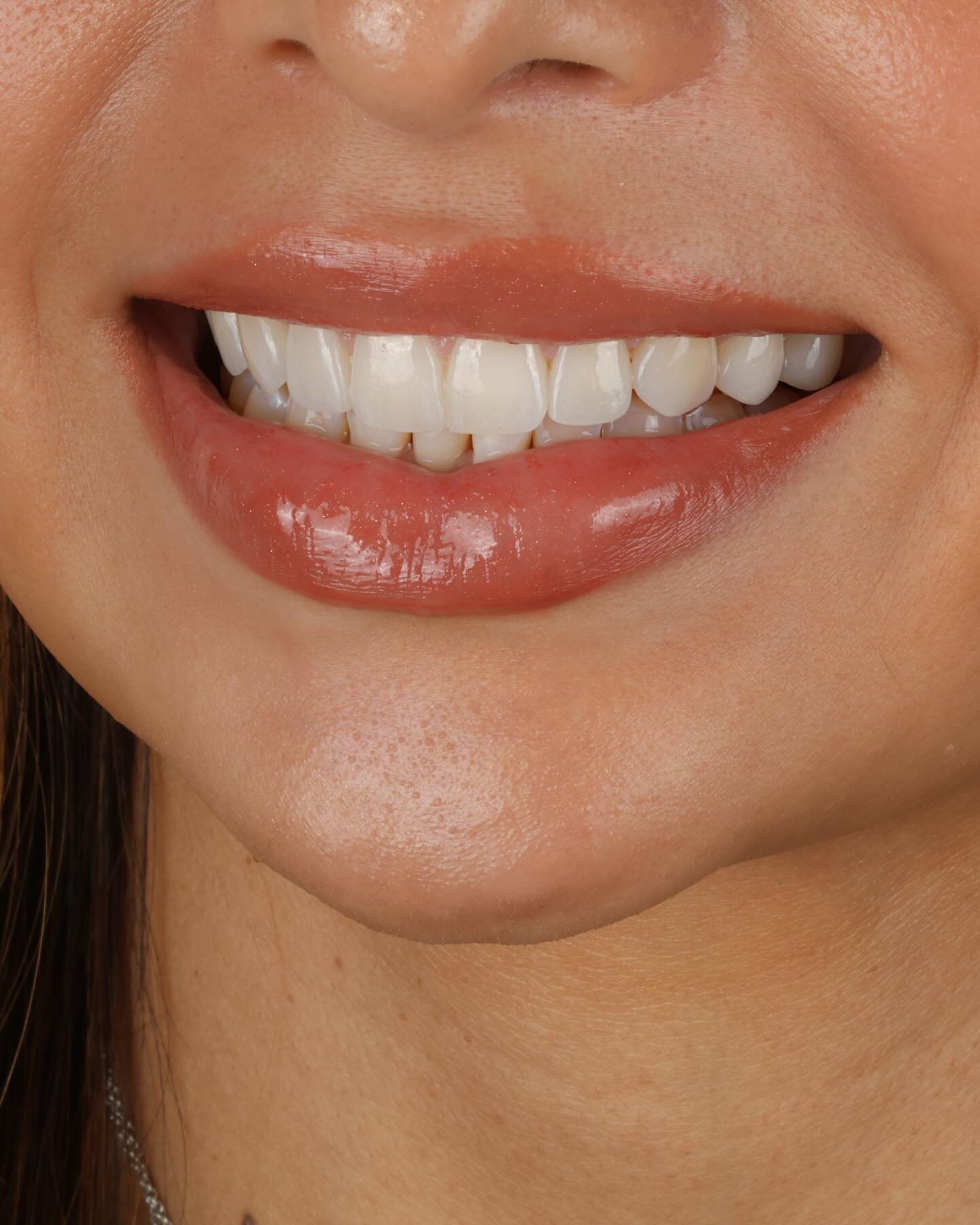
The brochure answer is "ten to fifteen years". The useful answer is a different one: a veneer lasts as long as its bond to your tooth holds, and that depends on three factors almost nobody explains before treating you.
1. What it is bonded to
Porcelain adheres far better to enamel than to dentine. When the reduction was conservative and the veneer sits on enamel, the bond is strong and predictable. When too much had to be removed and dentine was reached, adhesion is less stable and the risk of leakage or debonding rises over the years.
That is why conserving tooth structure is not merely an aesthetic preference: it is what holds the result together. It is the underlying argument for no-prep technique.
2. How you bite
If the front teeth take more load than they should when you close, the veneers are working overtime. An unsorted bite is the silent cause of most fractures. That is why a good plan checks the whole bite before anything is placed, even when you came in about colour alone.
3. What you do with your teeth without noticing
This is where most cases are lost:
- Clenching or grinding at night. Bruxism fractures porcelain. If you have it, a night guard is not optional.
- Biting your nails or opening things with your teeth.
- Chewing ice or very hard sweets.
- Using your teeth as a tool: cutting thread, opening packaging, holding hairpins.
What does NOT ruin them, whatever you have heard
Coffee, red wine and tea do not stain porcelain: it is not porous. What can discolour over the years is the composite margin that seals the veneer to the tooth, and that is polished at a cleaning. Whitening does not damage them either — but note: whitening does not lighten them. If you lighten the natural lower teeth, the upper veneers stay exactly as they were.
Care that actually changes the outcome
- A professional cleaning every six months. Healthy gum is what keeps the margin invisible.
- Floss daily. Decay does not appear in the veneer — it appears in the tooth underneath.
- A night guard if you clench in your sleep.
- A soft-bristle brush and toothpaste without coarse abrasives.
- An annual check-up, even when nothing feels wrong.
What happens at the end of their service life
A veneer does not fall off out of nowhere. It gives warnings: new sensitivity, a dark line at the margin, a small lifted edge. If you attend check-ups it is caught in time and that single piece is replaced without redoing the whole case. If you do not, it gets resolved as an emergency and costs more.
Frequently asked questions
Can they be removed?
Where there was no reduction, removing them leaves the tooth as it was. Where there was, the tooth needs to be covered again.
Can just one or two be replaced?
Yes. What needs care is matching the shade of the new one to its neighbours, which already have years of use on them.
Do they hurt with cold?
There can be sensitivity in the first weeks. If it persists for months, it needs checking: that is not normal.
Do I still need to see a dentist?
Yes, and more than before. Aesthetic treatment does not replace regular care — it makes it more important.
Want to know what your case needs?
The consultation reviews your mouth, defines whether you are a candidate and gives you a written proposal with defined fees. It is a diagnostic appointment, not a sales appointment.